Imagine scrolling through your morning feed and seeing headlines about a U.S. military operation that snatches a foreign leader right from his capital. That’s exactly what happened when President Donald Trump announced the capture of Venezuela’s Nicolás Maduro in a daring overnight raid. But it wasn’t just about justice or drugs – Trump made it clear this was also about oil. He declared the U.S. would temporarily “run” Venezuela, bringing in American companies to pour billions into fixing the country’s crumbling oil setup. It’s a statement that’s sparked everything from cheers in energy circles to cries of imperialism worldwide. As someone who’s watched oil prices swing like a pendulum over the years – remember those $4-a-gallon days? – this feels like a plot twist in a geopolitical thriller. Let’s unpack what Trump said, why it matters, and where it might lead, without the fluff or spin.

Trump says the U.S. will ‘run’ Venezuela and sell its oil for now …
The Dramatic Capture That Set the Stage
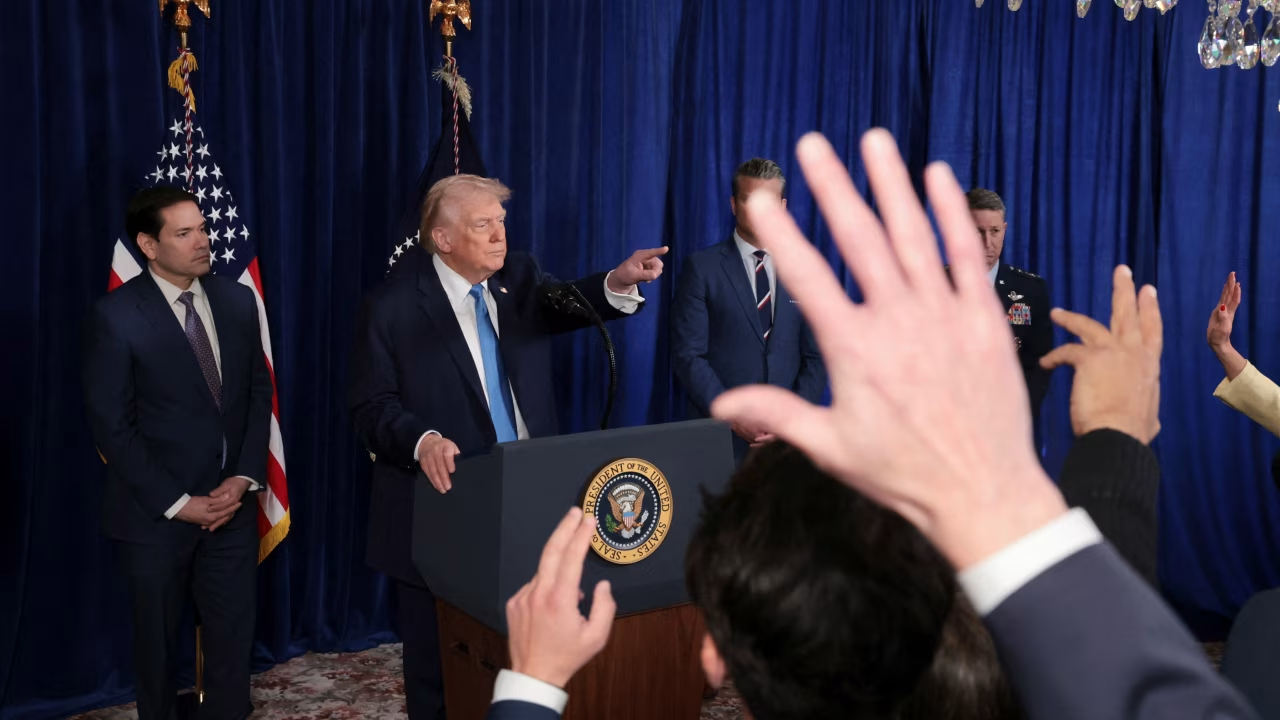
Trump’s press conference at Mar-a-Lago was electric, flanked by top officials like Marco Rubio and Pete Hegseth. He described how U.S. forces plucked Maduro and his wife from Caracas, framing it as a blow against drug trafficking. But woven into the narrative was a bigger prize: Venezuela’s vast oil reserves, the largest on the planet at over 300 billion barrels. Trump didn’t hold back, saying the socialist regime had “stolen” American-built infrastructure and that it was time to reclaim and rebuild it.aljazeera.com
This isn’t just tough talk; it’s rooted in months of escalating actions. From sanctions on Maduro’s family to seizing tankers and imposing a full naval blockade, the U.S. had been tightening the noose. The raid? A culmination that left Venezuela in limbo, with Vice President Delcy Rodríguez scrambling to assert control while Trump eyed the oil fields.state.gov
Trump’s Vision: ‘Running’ Venezuela Temporarily
At the heart of Trump’s announcement was a promise to oversee Venezuela “with a group” until a stable transition. He emphasized no full occupation, but a focused U.S. presence – especially in oil. “We’re going to be very strongly involved,” he said, painting a picture of American ingenuity reviving a “total bust” industry that’s pumping a fraction of its potential.npr.org
Picture this: U.S. giants like Chevron and ExxonMobil, who have history there, swooping in to modernize rusted rigs and pipelines. Trump claimed they’d invest billions, boosting production from about 1 million barrels a day to levels rivaling the glory days. It’s ambitious, almost cinematic, but raises questions about sovereignty and echoes of past interventions.nbcnews.com
Historical Echoes in U.S.-Venezuela Relations
Venezuela’s oil story started with American sweat in the early 1900s, when companies like Standard Oil tapped Lake Maracaibo’s riches. By the 1940s, it was a top exporter, but nationalization in 1976 under Carlos Andrés Pérez shifted control to state-run PDVSA, squeezing out foreign firms.en.wikipedia.org
Under Chávez and Maduro, mismanagement and sanctions tanked output. I recall chatting with a Venezuelan expat friend years ago – he lamented how his family’s once-thriving farm near the Orinoco Belt turned ghost town as oil jobs vanished. Trump’s plan aims to reverse that, but at what cost to Venezuelan pride?
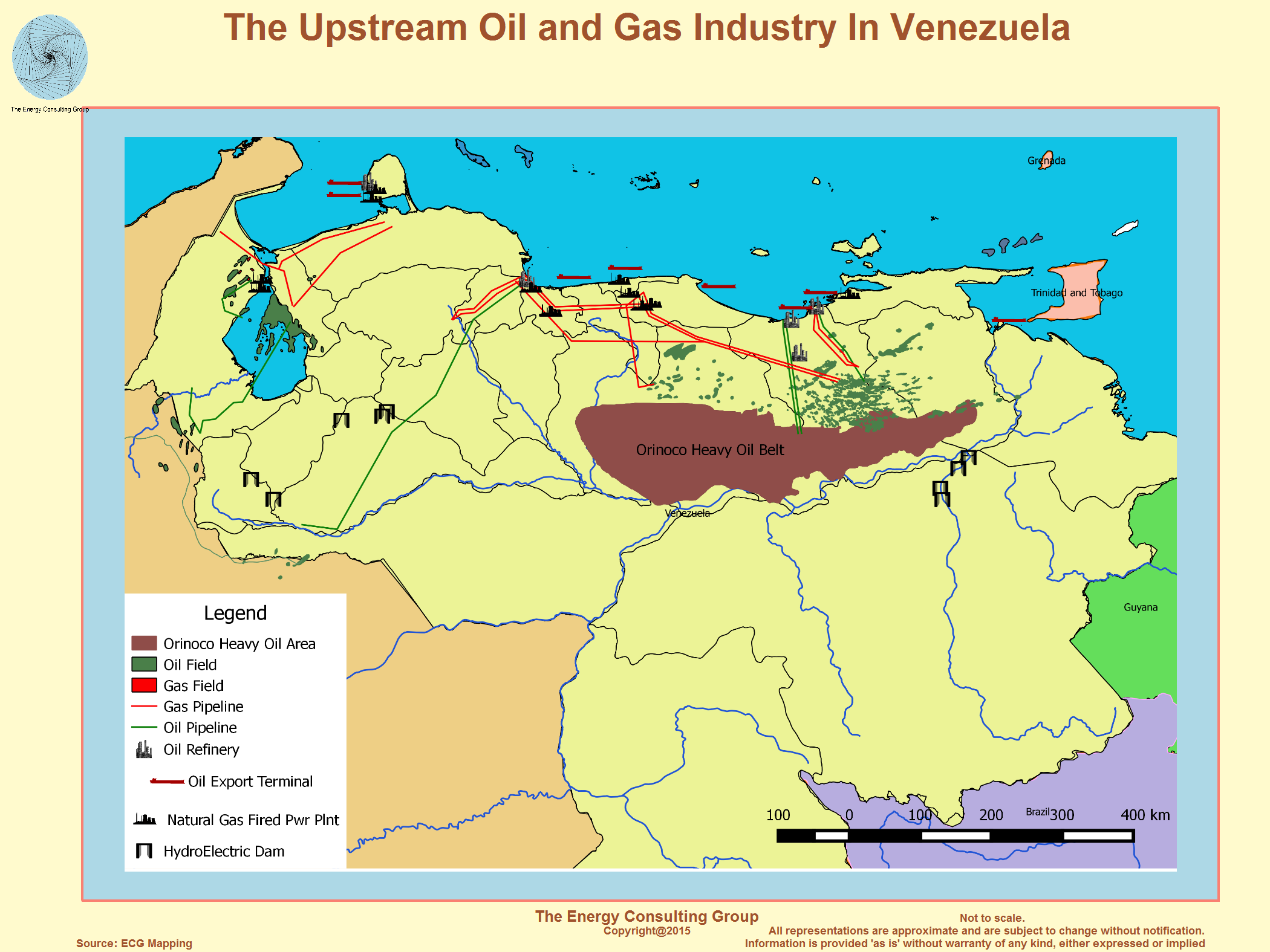
The Upstream Oil and Gas Industry In Venezuela
The Oil Infrastructure Challenge: What’s Broken?
Venezuela’s setup is a mess – aging rigs, leaky pipelines, and refineries running at half-speed due to years of neglect and corruption. Trump highlighted how production plummeted from 3.5 million barrels daily in the 1990s to under a million now, blaming socialist policies.nytimes.com
Fixing it? Experts say it’ll take tens of billions and years, involving everything from new tech to worker training. U.S. companies are cautious; Chevron’s stayed mum beyond complying with laws, while others like ConocoPhillips eye old claims for seized assets.reuters.com
Potential Boost to Global Energy Markets
If successful, more Venezuelan crude could flood markets, potentially lowering prices – a win for drivers everywhere. Analysts predict a “game-changer,” with U.S. refineries optimized for Venezuela’s heavy oil running smoother.cnn.com
But there’s a flip side: Oversupply fears in an already volatile market. Remember the 2020 price crash? This could echo that, hurting producers elsewhere.
Pros and Cons of U.S. Involvement
Let’s break it down honestly – no sugarcoating.
Pros:
- Economic Revival: Billions in investments could create jobs, stabilize Venezuela’s economy, and reduce migration pressures.politico.com
- Energy Security: More oil means less reliance on hostile suppliers like Russia or Iran.
- Humanitarian Angle: Better infrastructure might mean affordable fuel for Venezuelans, easing shortages that’ve plagued families for years.
Cons:
- Imperialism Backlash: Critics like Bernie Sanders call it “rank imperialism,” risking Latin American alliances.theguardian.com
- Security Risks: U.S. personnel could face threats in unstable areas, echoing Iraq’s quagmire.
- Market Volatility: Sudden supply surges might crash prices, hitting U.S. shale drillers hard.
It’s a mixed bag, like betting on a horse race where the track’s full of potholes.
Comparison: Venezuela vs. Past U.S. Interventions
How does this stack up against history? Think Iraq 2003 – oil was whispered as a motive, though denied. There, U.S. firms like Halliburton rebuilt amid chaos, but costs soared and resentment boiled.theguardian.com
Or Panama 1989, where quick action ousted Noriega but left lingering questions about motives. Venezuela differs with its explicit oil focus – Trump says the quiet part out loud, which might build transparency or fuel conspiracies.
| Aspect | Venezuela 2026 | Iraq 2003 |
|---|---|---|
| Stated Goal | Drug trafficking & oil recovery | WMDs & regime change |
| Oil Reserves Involved | World’s largest (300B barrels) | Significant but not top |
| U.S. Investment | Billions by private firms | Trillions in public funds |
| Global Reaction | Mixed; Latin America wary | Widespread protests |
| Potential Outcome | Energy boost or quagmire | Long-term instability |
This table shows the stakes – higher rewards, but familiar pitfalls.
Implications for Global Politics and Economy
Trump’s move could reshape alliances. China and Russia, big in Venezuela’s oil, might push back, escalating tensions. Domestically, it boosts Trump’s “America First” image, but critics warn of overreach.@ewong
Economically, cheaper oil could curb inflation – a relief after recent spikes. But for Venezuelans, it’s emotional: My expat pal teared up thinking of his homeland’s revival, yet feared foreign control stealing the soul.
Environmental Considerations
Don’t forget the planet. Venezuela’s heavy oil is dirty to extract, potentially worsening emissions. U.S. tech might green it up with better methods, but ramped production could clash with climate goals.en.wikipedia.org
Humor me: If oil were a person, Venezuela’s would be that neglected classic car – powerful engine, but needs a full overhaul to roar again.
People Also Ask: Real Questions from Google
Drawing from current searches, here’s what folks are curious about.politico.com
What did Trump say exactly about Venezuela’s oil?
Trump stated U.S. companies would “go in, spend billions, fix the badly broken infrastructure,” and make money for the country while the U.S. runs it temporarily.bloomberg.com
Why is the U.S. interested in Venezuela’s oil?
Beyond reserves, Trump claims historical U.S. building of the industry, plus strategic pushback against Maduro’s allies like China.
Will this lower gas prices in the U.S.?
Possibly short-term, as more supply hits markets, but long-term depends on global demand and OPEC reactions.axios.com
Is this legal under international law?
Debatable – U.N. Charter frowns on interventions, but U.S. frames it as anti-narcotics; lawsuits loom.
Where to Get More Info: Navigational Tips
For official updates, check the White House site . Dive deeper into history via Wikipedia’s oil page en.wikipedia.org.whitehouse.gov
Interested in energy stocks? Platforms like Yahoo Finance track Chevron (CVX) and Exxon (XOM).
Best Tools for Tracking Oil Developments
For transactional vibes, use apps like Oil Price for real-time data. Bloomberg Terminal is pro-level, but free alternatives like TradingView work for charts.
Compare:
- Free Tools: Google Alerts for “Venezuela oil updates” – simple, no cost.
- Paid Tools: Rystad Energy reports – detailed forecasts, but pricey for analysts.
Pros of premium: In-depth geopolitics; cons: Subscription fees.
FAQ
What are the risks for U.S. companies in Venezuela?
Security threats, legal battles over assets, and political instability could deter investments, as seen in past exits.politico.com
How might this affect U.S.-Latin America relations?
It could strain ties with neighbors like Brazil or Colombia, who fear a domino effect of interventions.
Will Venezuelan oil profits go to the people?
Trump says yes, but skeptics worry U.S. firms might prioritize shareholders over local needs.
Is this similar to the Iraq War?
Yes in oil motives, but smaller scale – no full invasion, focused on capture and infrastructure.
What’s next for Maduro?
He’s en route to New York for trial on drug charges, potentially facing life in prison.wral.com
In wrapping up, Trump’s declaration isn’t just policy – it’s a gamble on America’s energy future intertwined with Venezuela’s fate. I’ve seen oil booms come and go, but this one carries a human weight, from displaced families to hopeful workers. Whether it sparks prosperity or conflict, one thing’s sure: The world will be watching. For more on global energy shifts, check our related piece on OPEC dynamics (/opec-future).