
Imagine you’re a bright young engineer fresh out of university, scrolling through job listings. You spot a role at a major defence firm—great pay, cutting-edge tech, job security for life. But then you pause. “What if my work ends up harming people?” That’s exactly what happened to Caleb, a recent grad profiled in a recent BBC report. He turned down a promising defence gig because it just didn’t sit right with him ethically. Stories like his are popping up everywhere, highlighting a massive headache for the defence industry: a crippling skills crisis. As global tensions rise and technology races ahead, the sector is scrambling to fill gaps in everything from AI experts to welders. In this deep dive, we’ll unpack the crisis, its ripple effects, and how the industry is fighting back with innovative strategies that could reshape careers and national security.
Understanding the Skills Crisis in Defence
The defence sector’s skills crisis isn’t just a buzzword—it’s a perfect storm of aging workforces, ethical dilemmas, and fierce competition for talent. With defence spending soaring amid geopolitical unrest, companies need specialists in cyber, AI, and advanced manufacturing like never before. But supply isn’t keeping up, leaving critical projects stalled and innovation on hold.
What is the Skills Gap Exactly?
Think of it as a mismatch between what the industry demands and what’s available in the job market. Shortages span from hands-on trades like electrical engineering to high-tech fields like machine learning. In the UK alone, 48% of defence employers report engineering skill scarcities, while 33% struggle with cyber and digital expertise, according to Guidant Global.
Historical Roots of the Problem
This didn’t happen overnight. Decades of underinvestment in STEM education, combined with post-Cold War downsizing, thinned out the talent pipeline. Add in the pandemic’s disruptions, and you’ve got a workforce that’s retiring faster than it’s being replenished—over 25% of aerospace and defence workers are nearing retirement age.
- Aging Workforce: Many experienced pros are exiting, taking irreplaceable knowledge with them.
- Educational Shortfalls: Fewer students pursue STEM degrees relevant to defence, with global graduates in key fields like electrical engineering numbering under 100,000 annually.
- Competition from Tech Giants: Firms like Amazon and Apple poach AI talent with flashier perks and less ethical baggage.
The Impact on National Security and the Economy
This crisis isn’t just hurting HR departments—it’s a threat to entire nations. When defence firms can’t staff up, weapon systems lag, cyber defences weaken, and allies get nervous. Economically, it’s a drag too; the UK’s push to make defence a growth engine could falter without skilled workers to drive it.
Risks to Technological Edge
Without enough experts, innovation stalls. Boeing and Airbus have faced production delays due to talent shortages, costing billions and delaying critical deliveries. In Europe, the defence boom risks fizzling out if skilled labour isn’t scaled up fast.
Economic Ripple Effects
The sector supports millions of jobs indirectly. A million-person talent gap by 2030, as projected by ISG, could hamstring growth in related industries like semiconductors and automotive. In the US, the Bureau of Labor Statistics warns of needing 3,800 new aerospace engineers yearly, but only about 44,000 qualify from annual grads.
| Impact Area | Short-Term Effects | Long-Term Consequences |
|---|---|---|
| National Security | Delayed projects, weaker cyber defences | Loss of strategic autonomy, heightened vulnerabilities |
| Economy | Job losses in supply chains, reduced exports | Stunted GDP growth, missed innovation opportunities |
| Innovation | Slower adoption of AI and green tech | Competitors like China pulling ahead in defence tech |
Key Causes Driving the Crisis
From ethical hang-ups to outdated recruitment, the roots run deep. Younger generations like Gen Z prioritize purpose and sustainability, often viewing defence as “old-school” or morally murky. It’s funny how the same tech that powers video games also builds drones, but that crossover isn’t always appealing.
Ethical and Perception Challenges
Graduates like Caleb balk at “lethal tech,” preferring green companies that “give back,” as Louise Reed from Reed Talent Solutions puts it. The sector’s image as rigid and conservative doesn’t help—students want cutting-edge roles, not maintaining decades-old systems.
Competition for Scarce Talent
Tech firms lure away AI and cyber pros with better work-life balance and no security clearances required. In the UK, support for the military has dipped, leaking into defence appeal, per recruitment expert Phil Bearpark.
Educational and Training Gaps
Schools aren’t churning out enough STEM talent tailored to defence needs. Craft skills like welding are as scarce as digital ones, with governments highlighting shortages in “new skills like digital, cyber or green.”
Pros of Current Education System:
- Strong foundational knowledge in basics.
- Partnerships with unis for internships.
Cons:
- Not defence-specific enough.
- High dropout rates in tough STEM programs.
Strategies to Combat the Crisis
The good news? The sector isn’t sitting idle. From rethinking recruitment to building ecosystems, innovative approaches are emerging. It’s like watching an old battleship get a high-tech retrofit—clunky at first, but powerful once done.
Shifting to Skills-Based Hiring
Ditch the degree obsession. Companies now focus on transferable skills, hiring non-grads and career switchers. Thales UK recruits ex-teachers and chefs, training them up, while broadening beyond ex-military to inject fresh perspectives.
Building Zig-Zag Career Pathways
Deloitte’s model lets talent bounce between public and private sectors, attracting mid-career experts and fostering knowledge sharing. Australia’s Defence Force uses lateral entries for scarce skills, growing their workforce by leveraging ecosystems.
Investing in Education and Outreach
Start young—firms like Thales promote STEM from primary school, partnering with colleges to align curricula. Governments pump funds into AI and cyber commands, while apprenticeships bridge the gap for hands-on roles.

Missile defense engineer takes over Lockheed Martin’s space …
Enhancing Employer Value Propositions
Cielo advises crafting EVPs around purpose, growth, and culture. Highlight non-lethal impacts, like helicopters for rescues, to ease ethical concerns. Offer competitive perks to retain mid-career talent and reduce attrition.
- Workforce Planning: Use data to predict needs and hire skills-first.
- Leadership Focus: Place pros to handle upskilling and succession.
- Culture Building: Foster inclusion to keep diverse talent engaged.
Leveraging Technology for Training
Virtual reality and AI speed up onboarding—Dassault Systèmes partners with schools for simulations. Online platforms make certifications accessible, helping close digital skills gaps.
Real-World Examples and Case Studies
Let’s get personal. I recall chatting with a former defence engineer at a conference—he’d switched from tech because defence offered “real impact” on national safety. Stories like his show how reframing the narrative works.
Thales UK’s Approach
By emphasizing cybersecurity’s role in protecting infrastructure, Thales attracts talent wary of weapons. Their HR director, Lindsey Beer, notes they create tech that “protects people through every facet of their life.”
Boeing’s Partnerships
Collaborating with Caltech for tailored programs, Boeing builds pipelines through internships. It’s helped mitigate their $5 billion strike losses by focusing on retention incentives.
UK’s Government Initiatives
The 2025 Defence Industrial Strategy aims to make defence an economic driver, investing £1bn in AI systems. But as the BBC notes, without addressing ethical unease, it might fall short.
Comparison: Traditional vs. Modern Recruitment
| Aspect | Traditional | Modern |
|---|---|---|
| Focus | Degrees, ex-military | Skills, diverse backgrounds |
| Appeal | Job security | Purpose, innovation |
| Outcome | Narrow pool | Broader, innovative talent |
People Also Ask (PAA)
Drawing from common Google queries on this topic, here are some top questions and quick answers to satisfy your curiosity.
What is causing the skills shortage in the defence sector?
Ethical concerns, competition from tech, and STEM education gaps are key culprits, leading to shortages in engineering (48%) and cyber skills (33%).
How is the aerospace and defence industry addressing talent shortages?
Through skills-based hiring, educational partnerships, and zig-zag careers to attract and retain diverse talent.
What are the risks of the defence skills crisis?
It threatens national security, economic growth, and innovation, potentially leaving countries like the UK lagging behind rivals.
Where can I find training programs for defence careers?
Look into apprenticeships via firms like Thales or government initiatives; also, check sites like Guidant Global for STEM-focused resources.
What are the best tools for upskilling in defence tech?
VR simulations, online certs from platforms like Coursera, and industry partnerships like Dassault’s for AI and manufacturing training.
Overcoming Barriers: Pros and Cons of Key Strategies
Every fix has trade-offs. Skills-based hiring opens doors but requires more training investment. Zig-zag paths boost flexibility yet complicate governance.
Pros of Zig-Zag Careers:
- Attracts wider talent.
- Enhances knowledge transfer.
Cons:
- Legal hurdles in sector switches.
- Potential trust issues between partners.
For a deeper look, explore Deloitte’s full report on workforce ecosystems here.
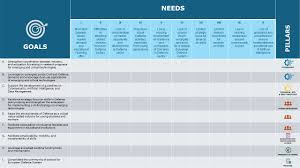
Strategy for developing Skills and Competences in the Defence …
The Role of Veterans and Career Switchers
Veterans bring unmatched discipline, but the crisis demands more. Programs like the US DoD’s SkillBridge transition military pros into civilian roles, filling cyber gaps where the Pentagon is short 20,000 experts.
Tapping Untapped Pools
Encourage women and minorities through inclusive cultures. One engineer I know switched from oil to defence for the challenge—it’s emotional, leaving a stable job, but the purpose made it worthwhile.
Future Outlook: 2026 and Beyond
By 2026, Deloitte predicts persistent shortages unless ecosystems mature. Positive signs include rising defence budgets and tech integrations, but success hinges on attracting Gen Z with green, ethical narratives.
Predictions for Resolution
If strategies stick, we could see a 20-30% talent boost via partnerships. But ignore ethics, and the gap widens—humorous how “saving the world” sells better than “building bombs.”
FAQ
What skills are most in demand in the defence sector?
AI, cyber security, engineering, and advanced manufacturing top the list, with shortages hitting 48% for engineering alone.
How can individuals enter the defence industry without military experience?
Through apprenticeships, skills-based roles, or zig-zag paths—firms like Thales train career switchers on the job.
What government programs help address the skills crisis?
UK’s £1bn AI investment and US cyber workforce initiatives, plus strategies like the 2025 Defence Review for whole-force approaches.
Is the skills crisis global or region-specific?
Global, but hits Europe and the US hardest—Italy’s Leonardo and UK’s firms struggle amid spending booms.
How does the crisis affect job seekers?
It creates opportunities for those with transferable skills, but demands adaptability—check resources like Jobs with DoD for openings.
In wrapping up, the defence sector’s battle against this skills crisis is a tale of adaptation in a changing world. It’s not just about filling jobs; it’s about securing futures. Whether through personal stories like Caleb’s or bold strategies from giants like Thales, the fight is on. If you’re eyeing a career here, now’s the time— the industry needs innovative minds like yours to turn the tide. For more insights, dive into the BBC’s original piece here.