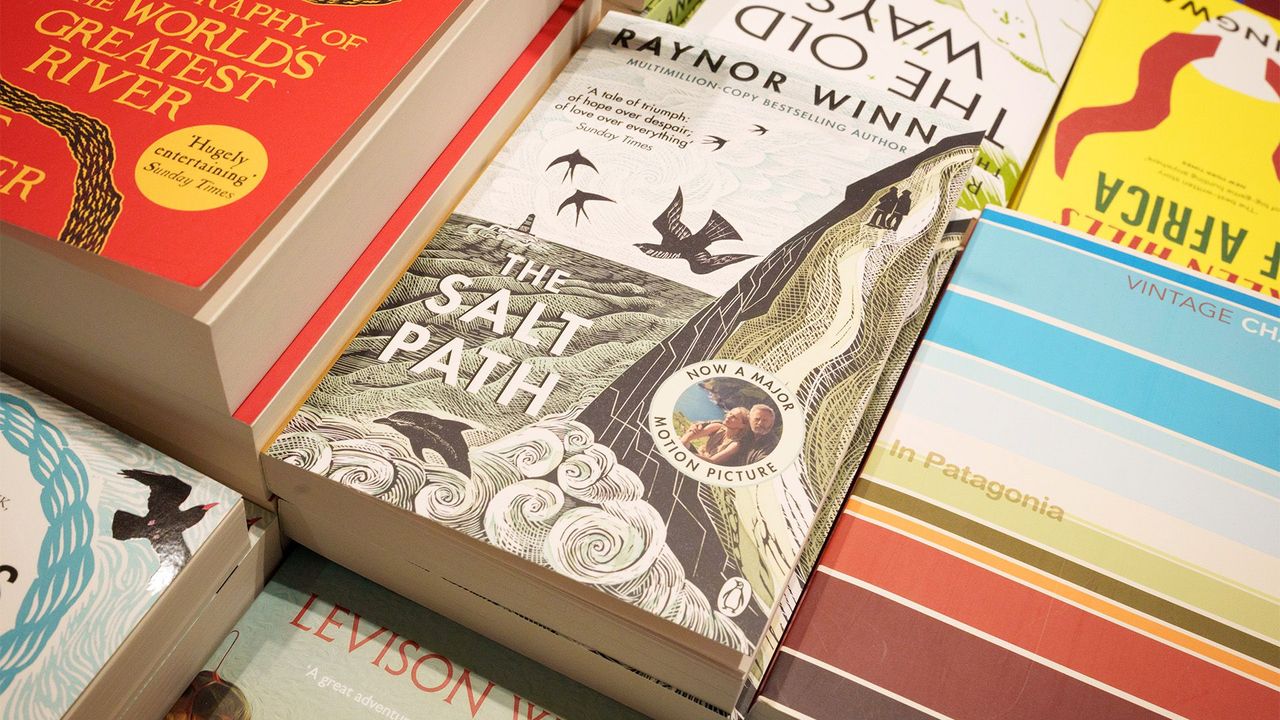
I remember picking up The Salt Path a few years back on a rainy afternoon in a small Cornish bookshop. The cover promised hope amid hardship—a couple walking England’s rugged coastline after losing everything. It felt like the kind of story that restores your faith in humanity. Raynor Winn’s words pulled me in, describing wild camping, blistering feet, and a love that defied terminal illness and homelessness. Little did I know that by 2025, this bestselling memoir would become the centerpiece of one of the biggest literary scandals in recent memory, sparking debates about truth in nonfiction and the blurred lines between inspiration and invention.
As we look back on 2025, a year marked by intense scrutiny of personal stories in publishing, The Salt Path stands out not just for its enduring popularity but for the explosive allegations that rocked its foundation. Alongside it, other books faced challenges—mostly through widespread bans in U.S. schools—highlighting how “scandalous” can mean different things: fabricated tales that mislead readers or honest explorations of taboo topics that offend censors. In this article, we’ll dive deep into The Salt Path‘s controversy, explore the year’s most banned titles, and reflect on what these events say about our relationship with books today.
The Rise of The Salt Path: A Story That Captured Hearts
Raynor Winn’s 2018 memoir quickly became a phenomenon, selling over two million copies worldwide and earning spots on bestseller lists for years.
The book chronicles Winn and her husband Moth’s decision to walk the 630-mile South West Coast Path after devastating blows: losing their Welsh farmhouse to repossession and Moth’s diagnosis with corticobasal degeneration, a rare terminal illness. With little money and nowhere to go, they wild-camp along the trail, finding renewal in nature and each other.
Readers loved its raw honesty—the sting of rejection from strangers, the physical toll of the walk, and moments of quiet beauty, like spotting seals or sharing meager meals. It inspired countless people to hit the trails themselves, and a film adaptation starring Gillian Anderson and Jason Isaacs brought it to even wider audiences in early 2025.
For me, it was the emotional core that resonated. I’ve hiked parts of that path myself, feeling the wind off the Atlantic, and Winn’s descriptions transported me there again. It wasn’t just a travelogue; it was a testament to resilience.
The Scandal Breaks: Allegations of Fabrication
Everything changed in mid-2025 when an investigation by The Observer‘s Chloe Hadjimatheou alleged significant inaccuracies in Winn’s account.
Claims emerged that the couple’s homelessness was exaggerated, their financial woes stemmed from different causes—including potential embezzlement from a former employer—and Moth’s illness progression didn’t align with the book’s dramatic improvements from walking.
Further reports suggested misrepresentations of people encountered on the path and doubts about the timeline of their destitution.
Winn, through lawyers, defended the book as her “honest account” and an emotional truth, even if some details were compressed for narrative flow. Penguin Random House stood by it initially but delayed a sequel amid the fallout. A Sky documentary, The Salt Path Scandal, aired in December 2025, revealing more, including disputed family allegations of theft—claims Winn vehemently denied.
The irony? Sales surged again. Controversy often breathes new life into books, reminding us how much we crave real stories, even flawed ones.
Why The Salt Path Became 2025’s Biggest Literary Scandal
Memoirs thrive on trust. When that breaks, the backlash is fierce.
Unlike past scandals—like James Frey’s fabricated addiction tale in A Million Little Pieces—this hit during a time of heightened skepticism toward “inspirational” narratives.
Experts noted that publishers rarely fact-check every detail in memoirs, relying on authors’ integrity. In Winn’s case, the book’s marketing as “unflinchingly honest” amplified the perceived betrayal.
Yet many readers shrugged it off. At a festival featured in the documentary, fans said the deeper message—of endurance and love—still held. It’s a reminder that we read memoirs for connection, not court-level accuracy.
Personally, the scandal made me reread parts with a critical eye, but the evocative prose and themes of healing through nature endured. It didn’t ruin the book for me; it complicated it.
Key Allegations in The Salt Path Controversy
| Allegation | Details from Investigations | Winn’s Response |
|---|---|---|
| Financial Loss | Claimed due to bad investment with friend; alleged actually from other debts/embezzlement | Stood by account as true journey |
| Homelessness Extent | Portrayed as wild camping in destitution; evidence of temporary comfortable housing | Emotional truth of hardship |
| Illness Progression | Dramatic improvement from walking; questioned by medical experts | Honest portrayal of experience |
| Family Theft Claims | Late 2025 allegations of taking money from relatives | Denied outright as false narrative |
Beyond The Salt Path: 2025’s Wave of Book Bans and Challenges
While The Salt Path dominated headlines for alleged deceit, 2025 saw thousands of books “scandalous” for different reasons—deemed too explicit or ideologically threatening, leading to bans in U.S. schools.
PEN America recorded over 6,800 ban instances affecting nearly 4,000 titles, mostly in Florida, Texas, and Tennessee. Targets often included LGBTQ+ stories, racial themes, or sexual content.
Sarah J. Maas’s romantasy series topped lists again, alongside classics like A Clockwork Orange.
These aren’t fabrications but honest depictions that challenge norms—yet they’re removed to “protect” students.
Top 15 Most Banned Books in U.S. Schools (2024-2025 School Year)
- A Clockwork Orange by Anthony Burgess (violence, language)
- Books from A Court of Thorns and Roses series by Sarah J. Maas (sexual content)
- Nineteen Minutes by Jodi Picoult (school shooting themes)
- All Boys Aren’t Blue by George M. Johnson (LGBTQ+ memoir)
- Sold by Patricia McCormick (human trafficking)
- Last Night at the Telegraph Club by Malinda Lo (queer historical fiction)
- Others included fantasy, YA, and classics revisited for modern sensitivities
| Category | Examples | Common Reasons for Bans |
|---|---|---|
| LGBTQ+ Themes | All Boys Aren’t Blue, Telegraph Club | “Promoting” identities |
| Sexual Content | Maas series, erotic elements in fantasy | Obscenity claims |
| Violence/Race | Nineteen Minutes, historical novels | Unsuitable for age |
| Classics Revisited | A Clockwork Orange | Graphic depictions |
Pros and Cons of Controversial Books Like These
Pros:
- Spark empathy and discussion on tough topics
- Challenge readers to think critically
- Preserve diverse voices in literature
- Often become cultural touchstones
Cons:
- Can mislead if nonfiction bends truth too far
- Fuel polarization when banned
- Hurt authors personally and professionally
- Limit access for young readers exploring identity
People Also Ask: Common Questions About 2025’s Controversial Books
Here are real questions pulled from search trends around book controversies this year:
- What happened with The Salt Path scandal? Allegations of fabrication led to investigations, a documentary, and renewed sales, but Winn maintains her story’s core truth.
- Why are so many books banned in 2025? Organized efforts target content on race, sexuality, and gender, often citing protection of children.
- Is The Salt Path still worth reading? Absolutely—many say the inspirational message outweighs debates over details.
- Which books were most banned in schools this year? Fantasy romances by Sarah J. Maas and LGBTQ+ memoirs topped lists.
- How do book bans affect students? They restrict access to diverse perspectives, limiting empathy and critical thinking.
FAQ: Your Questions on Scandalous Books Answered
Q: Is The Salt Path based on a true story? A: Winn insists it’s her honest account of real events, though investigations questioned specifics. It’s marketed as memoir, not fiction.
Q: Where can I buy controversial or banned books? A: Independent bookstores, online retailers like Bookshop.org (supports indies), or libraries often stock them. For banned titles, check sites like PEN America’s resources.
Q: What’s the best way to support authors facing scandals? A: Read their work critically, engage in discussions, and buy from ethical sources. Many scandals boost visibility anyway.
Q: Are book bans increasing? A: Yes—2025 saw record numbers in U.S. schools, driven by legislation and groups.
Q: Why do scandals make books more popular? A: Forbidden or debated stories pique curiosity—think Streisand effect.
In the end, 2025 reminded us why we fight for books: they hold mirrors to our lives, flaws and all. Whether it’s the complicated truth of The Salt Path or the unflinching honesty of banned titles, these stories push us forward. I’ve got my walking boots ready—scandal or not, that coast path is calling. What about you? Pick up one of these, and let’s keep the conversation going.