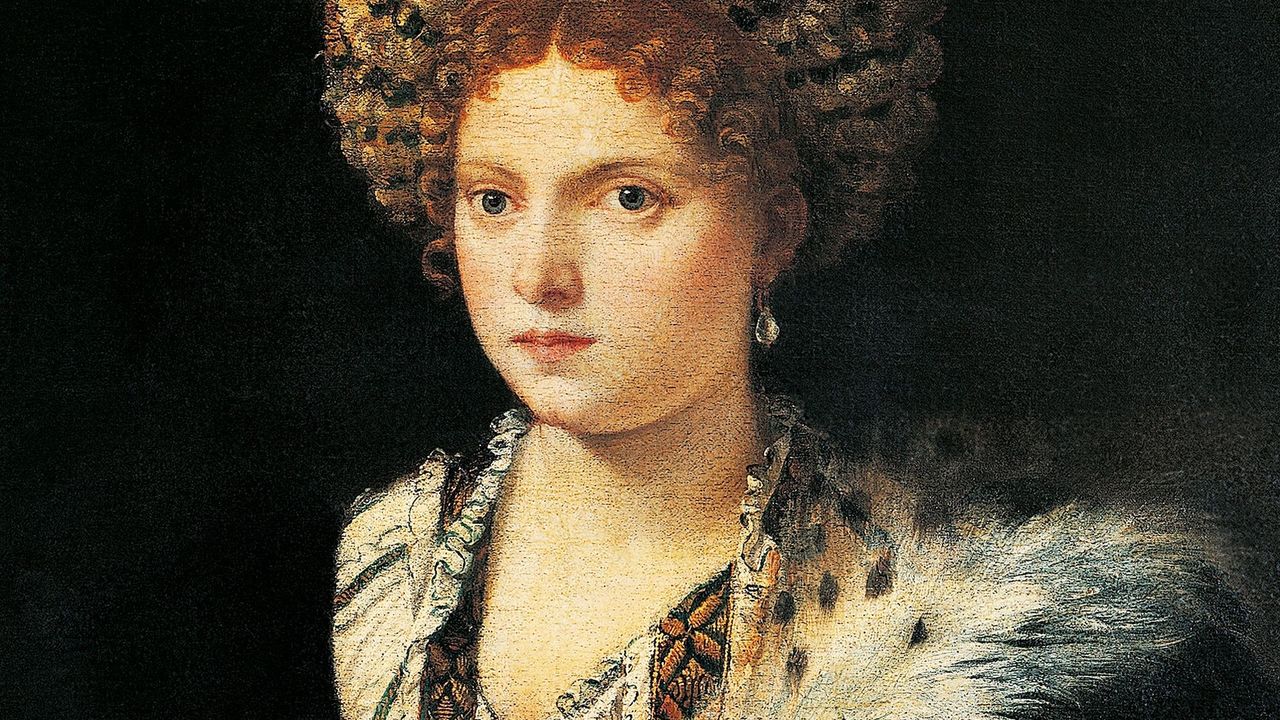
Imagine walking through the bustling streets of 15th-century Florence, where every corner buzzed with artists, merchants, and nobles. Amid the grandeur of emerging masterpieces, a young woman turns heads like no one else. “The whole city was in love with her,” as one curator recently put it. She wasn’t just beautiful—she set the standard everyone chased. In Renaissance Italy, fashion and beauty weren’t mere vanities; they were battlegrounds for influence, power, and identity. Women like Simonetta Vespucci, Isabella d’Este, and Lucrezia Borgia became the original “It Girls,” wielding style as a weapon in a world dominated by men, politics, and war.
I’ve always been fascinated by how clothing tells stories of ambition and restraint. Growing up flipping through art history books, I remember staring at Botticelli’s ethereal figures and wondering about the real women behind them. Their lives remind me that trends have always been about more than looks—they reflect society’s hopes, fears, and power plays.
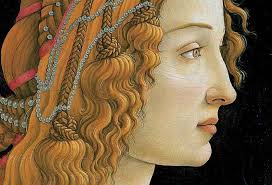
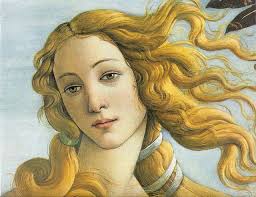
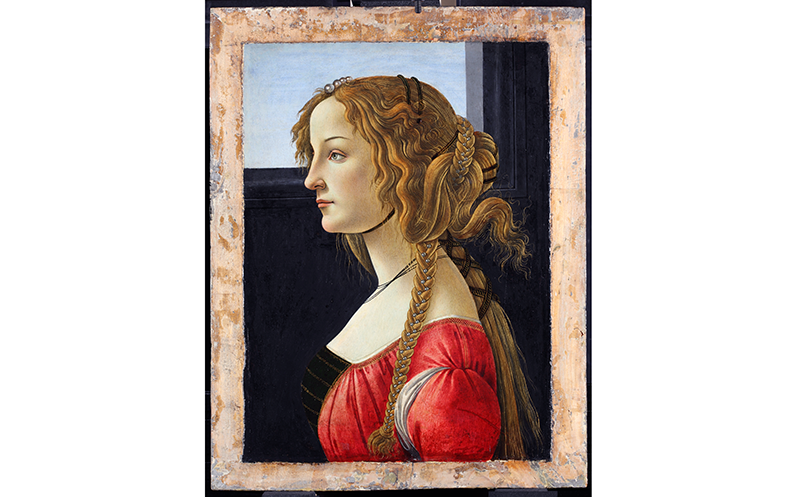
These portraits capture the idealized grace of Simonetta Vespucci, often linked to Botticelli’s muses, embodying the soft, luminous beauty that defined Florentine ideals.
The Golden Age of Beauty: Ideals That Shaped an Era
Renaissance Italy reinvented beauty, drawing from classical antiquity while celebrating life’s fullness after the Middle Ages’ hardships.
Women aimed for pale skin hinting at rosy cheeks, long wavy golden blonde hair, and high foreheads symbolizing intelligence. Curvy figures with soft, rounded features signaled health and wealth—thinness was out.
Blonde hair reigned supreme, inspired by Petrarch’s poems about his beloved Laura. Many women bleached theirs using risky mixtures of alum and honey left in the sun for hours. A high forehead meant plucking or shaving the hairline—painful, but fashionable.
Simonetta Vespucci: Florence’s Original It Girl
No one embodied this ideal like Simonetta Vespucci, born around 1453 in Genoa and married young to Marco Vespucci, tying her to Florence’s elite.
Known as “La Bella Simonetta,” she captivated the city. Poets compared her to Venus; artists like Sandro Botticelli allegedly used her as a model for The Birth of Venus and Primavera. Even the Medici brothers, Lorenzo and Giuliano, adored her—Giuliano jousted in her honor.
Tragically, she died at 23 in 1476, likely from tuberculosis. Her open-casket procession let Florence mourn her beauty one last time. Botticelli, smitten, requested burial at her feet decades later.
Her style—flowing blonde locks, supple skin, and elegant gowns—sparked imitation. Every woman wanted to emulate her effortless allure.
The Rise of Power Dressing: Isabella d’Este and Political Fashion
As the 15th century turned turbulent with the Italian Wars (1494–1559), style became diplomacy.
Enter Isabella d’Este, Marchioness of Mantua, dubbed the “First Lady of the Renaissance.” A savvy art patron and collector, she used fashion strategically.
Isabella innovated with luxurious fabrics, blending allegiance signals—like Sforza-embroidered gowns—into her wardrobe. Historians call her choices “statecraft in silk.” She mixed simplicity during religious vows with opulence to assert influence.
Her signature turbans and layered ensembles spread trends across Europe.
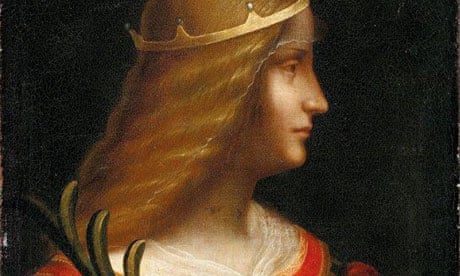
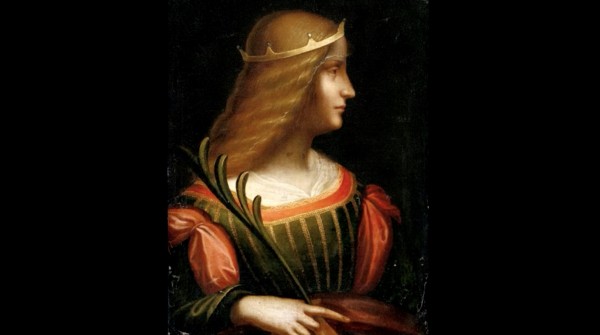
Portraits of Isabella d’Este highlight her commanding presence and innovative style.
Lucrezia Borgia and the Art of Reinvention
Lucrezia Borgia, daughter of Pope Alexander VI, navigated scandal and power with evolving style.
Often maligned as poisonous, she was more victim of family ambition. Her beauty—fair hair, expressive eyes—shone in portraits.
She adapted fashions to her roles, from Ferrara duchess sporting elaborate braids to diplomatic ensembles signaling alliances.
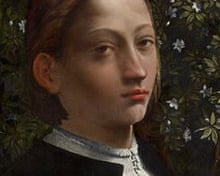

Possible portraits of Lucrezia Borgia show her refined, enigmatic elegance.
Fashion as a Battlefield: Sumptuary Laws and Rebellion
These women didn’t dress freely—sumptuary laws restricted luxuries to curb excess and maintain class lines.
In Florence and Venice, rules limited silk, jewels, and train lengths for non-nobles. Women faced most enforcement, reflecting fears of upward mobility.
Yet rebellion thrived. Women hid finery or argued loopholes. One clever lady dodged officials by ducking into churches.
Laws highlighted fashion’s power: a well-dressed woman could upend hierarchies.
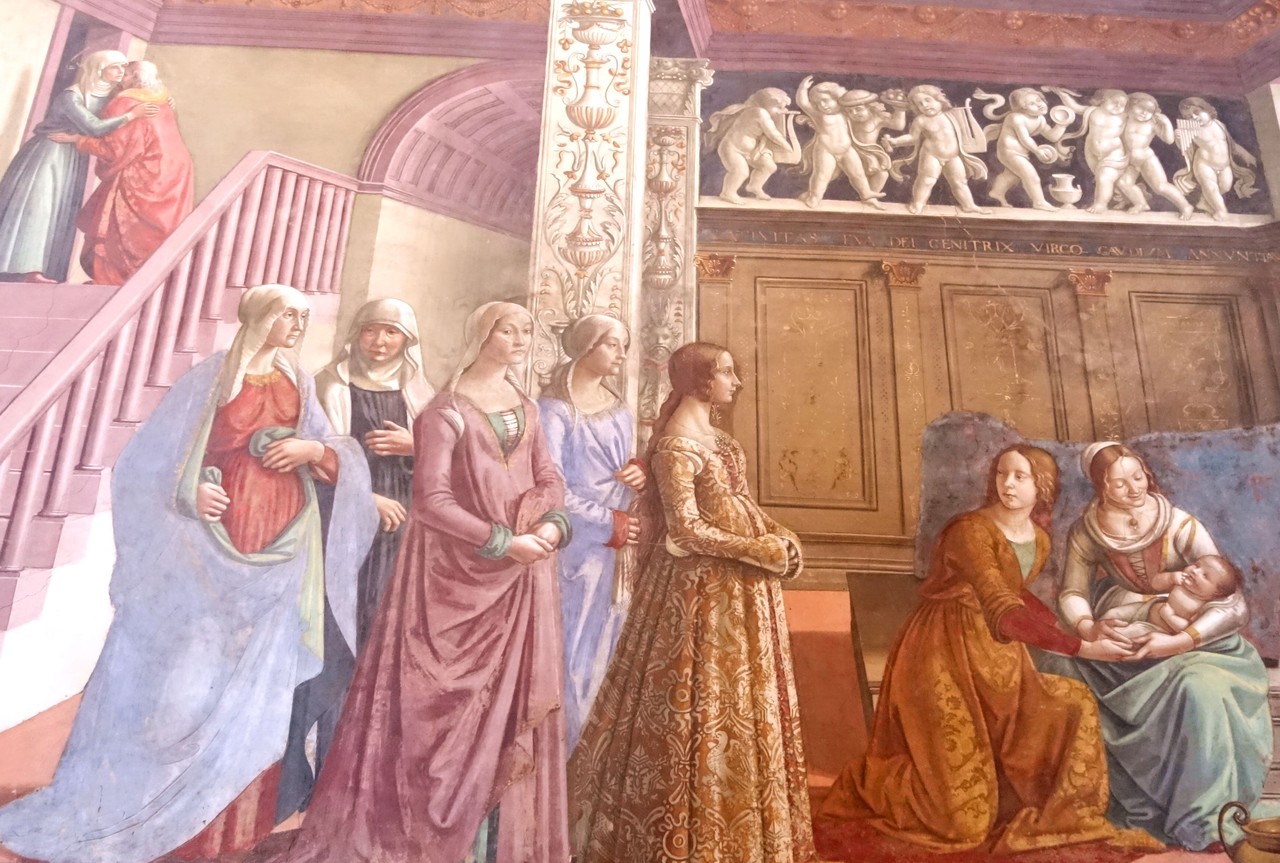
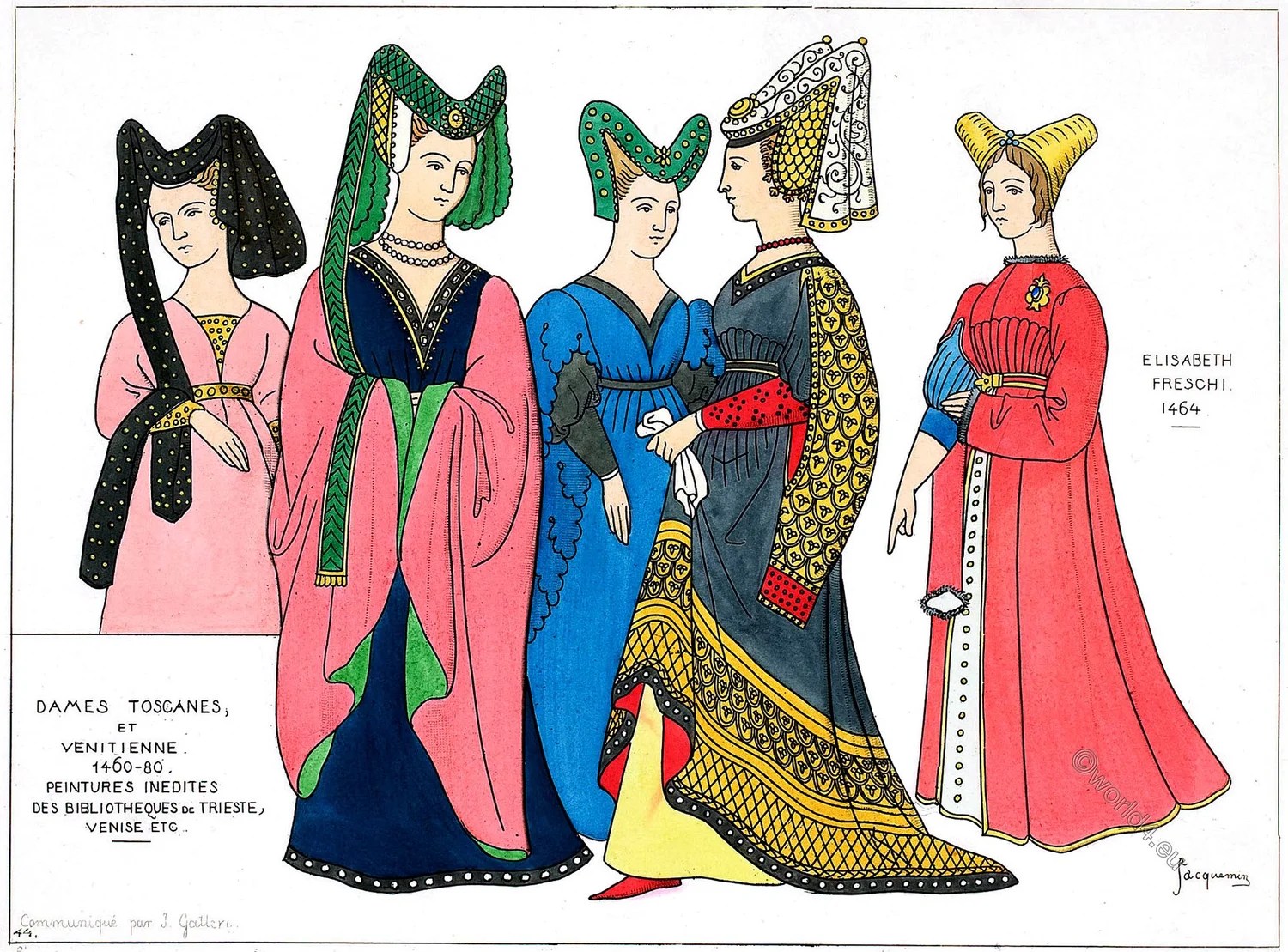

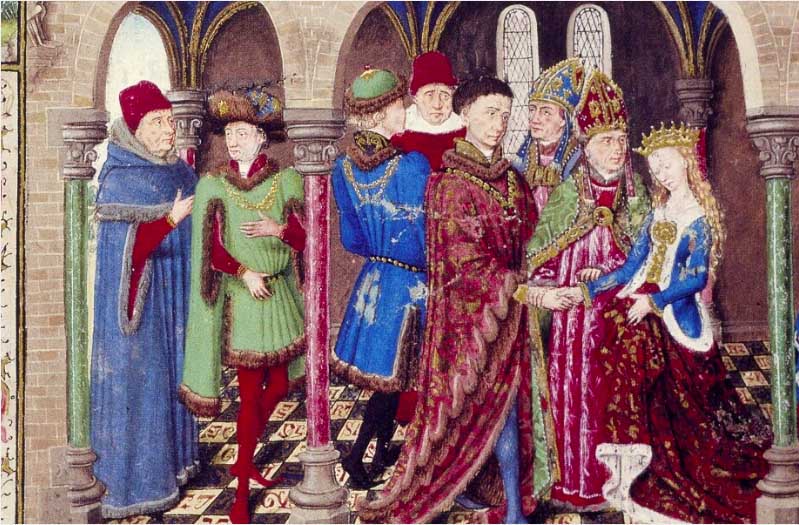
15th-century Italian gowns featured voluminous sleeves, rich brocades, and intricate details that showcased wealth despite restrictions.
Key Elements of Renaissance Italian Women’s Fashion
- Fabrics: Velvet, silk, brocade for the elite; wool or linen for others.
- Silhouettes: Tight bodices with full skirts; detachable sleeves for versatility.
- Hair and Headwear: Loose braids for youth; updos or turbans for married women; veils or caps.
- Accessories: Pearls, rings, girdles; risky belladonna drops for dilated eyes.
Comparing the It Girls: Style and Influence
| Woman | Signature Style | Power Play | Legacy |
|---|---|---|---|
| Simonetta Vespucci | Ethereal blonde waves, simple elegance | Muse inspiring art and admiration | Timeless Botticelli ideal |
| Isabella d’Este | Innovative turbans, political motifs | Diplomatic trendsetting | Patron and “Machiavelli in skirts” |
| Lucrezia Borgia | Adaptable braids, luxurious layers | Reinvention amid scandal | Cultural fascination |
Dangerous Beauty: The Risks Behind the Glow
Achieving ideals was hazardous. Belladonna drops dilated pupils for a “doe-eyed” look but risked blindness. Hair bleach caused burns; lead-based cosmetics poisoned skin.
Plucking foreheads led to infections. Yet women persisted—beauty was currency in marriage and court.
It’s a reminder: chasing perfection has always come at a cost. I chuckle thinking how modern fillers echo these extremes.
The Enduring Allure: Why These Women Still Captivate Us
These Renaissance It Girls influenced far beyond their time. Designers today draw from their opulence—Gucci’s bold prints or Max Mara’s caps nod to Isabella.
Their stories blend glamour with grit: using style to navigate patriarchy, war, and judgment.
In our influencer age, they feel familiar—curating images for power. But their era’s stakes were life-or-death.
Next time you see a Botticelli Venus, think of Simonetta. Beauty wasn’t just skin deep—it was survival.
People Also Ask
What were the beauty standards in Renaissance Italy?
Pale skin with rosy cheeks, golden blonde hair, high foreheads, and curvy figures symbolized virtue and status.
Who was the most beautiful woman in Renaissance Italy?
Simonetta Vespucci earned that title, inspiring artists and earning citywide adoration.
How did Renaissance women achieve blonde hair?
They used sun-bleaching mixtures of herbs, alum, and honey—effective but damaging.
What role did fashion play in Renaissance politics?
It signaled alliances and status; women like Isabella d’Este used it as soft diplomacy.
Why were sumptuary laws targeted at women?
They aimed to control social mobility and excess, viewing female display as a moral threat.
FAQ
Who is considered the original “It Girl” of the Renaissance?
Simonetta Vespucci, whose beauty captivated Florence and inspired masterpieces like Botticelli’s works.
How did Isabella d’Este use fashion politically?
She wore motifs from allies and innovated styles to broadcast influence during the Italian Wars.
Were Renaissance beauty practices dangerous?
Yes—belladonna for eyes, lead makeup, and harsh bleaching often caused health issues.
What modern designers draw from Renaissance Italian style?
Brands like Gucci and Max Mara reference turbans, brocades, and bold layering.
Where can I see portraits of these women today?
Uffizi Gallery (Botticelli’s works), Louvre (Isabella sketches), and museums like Chantilly for related pieces.