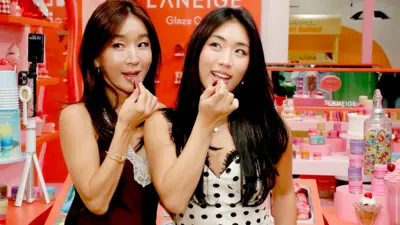
Remember that one time I slathered snail mucin all over my face after seeing a TikTok glow-up video? It felt weird at first—like borrowing slime from a garden critter—but two weeks later, my skin was smoother than a K-drama romance plot. That’s the magic of K-beauty, a phenomenon that started as quirky online hype and ballooned into a multi-billion-dollar juggernaut. What began with South Korean influencers sharing glass-skin secrets has reshaped global skincare, turning Seoul into the epicenter of innovation and export gold. In this deep dive, we’ll trace its journey from ancient rituals to economic dominance, packed with real stories, stats, and tips to help you navigate it all.
The Ancient Roots of Korean Beauty
Korea’s obsession with flawless skin didn’t pop up overnight; it stretches back to the Three Kingdoms era around 57 BCE, when nobles used ground mung beans and rice water for gentle exfoliation. By the Goryeo Dynasty in the 10th century, beauty was tied to social status, with women crafting powders from flowers and herbs to achieve that porcelain look. Fast-forward to the Joseon period, and skincare became a ritual of purity, blending Confucian ideals with natural remedies like ginseng and green tea that are still staples today.
From Natural Ingredients to Royal Rituals
Royal court ladies in Joseon Korea treated beauty like a sacred art, brewing herbal toners and using silk cocoons for polishing skin—think of it as the original spa day without the cucumber slices. These traditions emphasized prevention over correction, focusing on hydration and balance rather than heavy makeup. It’s this holistic approach that laid the groundwork for modern K-beauty, where ingredients like centella asiatica heal and soothe, echoing centuries-old wisdom passed down through generations.
The Modern Birth of K-Beauty
Post-World War II, South Korea’s beauty scene got a makeover with Western influences, but it truly exploded in the 1990s after economic liberalization opened doors to innovation. Companies like Amorepacific started blending traditional Hanbang (herbal medicine) with cutting-edge tech, creating affordable products that promised real results. By the early 2000s, as the Asian financial crisis pushed for export growth, K-beauty began eyeing global markets, setting the stage for its viral takeover.
The Influence of Hallyu
Enter Hallyu, the Korean Wave, which crashed onto international shores with K-dramas like Winter Sonata and K-pop sensations like BTS, making flawless idol skin aspirational worldwide. Stars with dewy complexions weren’t just entertaining; they were walking ads for sheet masks and essences, boosting tourism and product sales. This cultural export wave added $12.3 billion to Korea’s economy by 2019, with beauty riding the coattails of pop culture to charm fans from Tokyo to Texas.
Going Viral: Social Media and Global Buzz
Picture this: It’s 2011, and BB creams hit Western shelves, blending makeup and skincare in one tube—sudden game-changer. Fast-forward to TikTok era, where #KBeauty routines rack up billions of views, turning obscure ingredients like snail mucin into must-haves overnight. Influencers unboxing CosRX serums or demoing 10-step regimens created a frenzy, with trends spreading faster than a viral dance challenge, pulling in Gen Z and millennials hungry for affordable glow-ups.
Iconic Trends That Captured the World
From “glass skin” tutorials promising mirror-like radiance to pimple patches that zap zits discreetly, K-beauty’s trends hooked us with their fun, effective vibes. Who could’ve guessed snail slime would outsell traditional creams? It’s humorous now, but these fads democratized beauty, making high-end results accessible without breaking the bank.
- Sheet Masks: Affordable hydration bombs, popularized in the 2010s for quick pampering.
- Snail Mucin Serums: Viral since 2020, thanks to TikTok; hydrates and repairs like nature’s Botox.
- Glass Skin Routines: Layering essences for that lit-from-within shine, a 2018 sensation.
- Cushion Foundations: Portable, dewy coverage that went global post-2015.
- Ampoules: Concentrated boosters for targeted fixes, booming in the early 2020s.
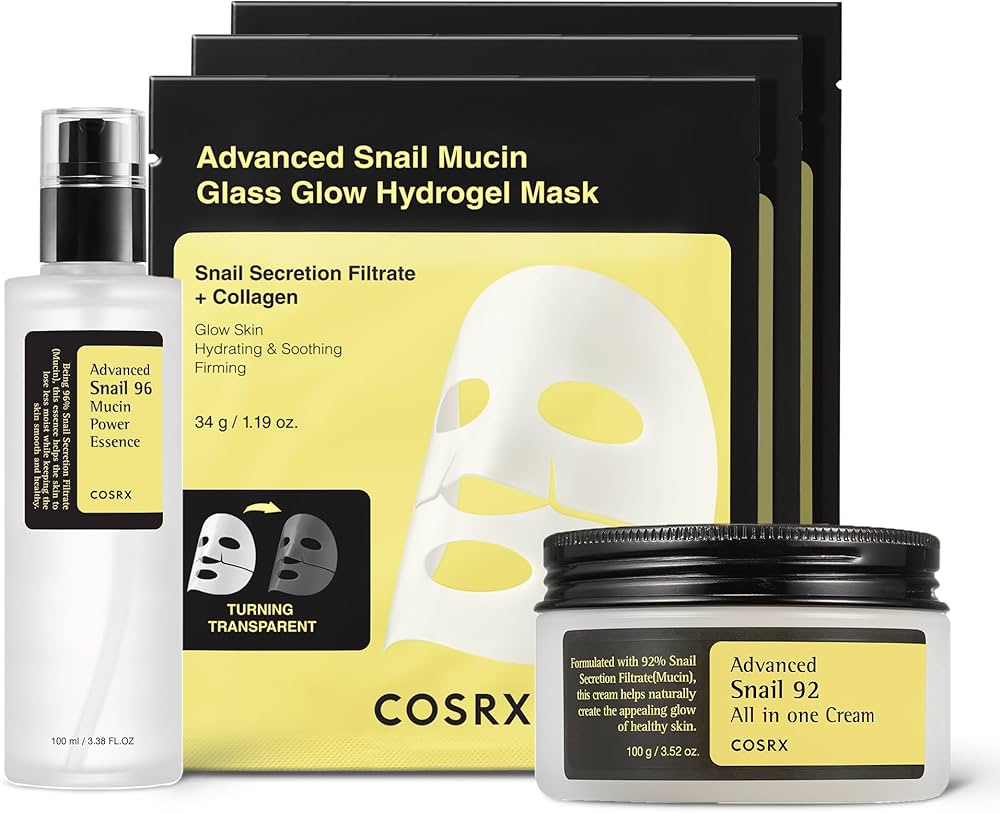
Amazon.com : COSRX Snail Mucin Korean Skin Care Night Routine Set …
Key Players Shaping the Industry
Behind the glow is a powerhouse ecosystem: Conglomerates like Amorepacific, which raked in $6.2 billion in 2024, dominate with brands spanning luxury to budget. Then there’s LG Household & Health Care, pulling $4.1 billion, and ODM giants like Cosmax churning out products for 4,500 labels worldwide. Indie darlings like Krave Beauty, founded by influencer Liah Yoo, add fresh voices, proving anyone with a great formula can shine.
| Brand | Signature Product | Key Innovation | 2025 Sales Estimate |
|---|---|---|---|
| Amorepacific (Sulwhasoo) | First Serum | Ginseng-infused anti-aging | $1.5B |
| CosRX | Snail Mucin Essence | Affordable, viral repair | $500M |
| Innisfree | Green Tea Serum | Eco-friendly, volcanic clay | $800M |
| Laneige | Water Sleeping Mask | Overnight hydration | $700M |
| Beauty of Joseon | Relief Sun Rice Sunscreen | Traditional Hanbang SPF | $300M |
Innovations Driving the Boom
These players thrive on speed: New products hit shelves in months, not years, thanks to R&D hubs in Seoul testing wild ideas like salmon sperm extracts. It’s like a beauty lab on steroids, blending science with tradition to create hybrids that wow consumers and keep competitors scrambling.
Economic Boom: Stats and Impact
K-beauty’s no longer just a fad—it’s an economic beast, with South Korea’s cosmetics exports hitting $10.2 billion in 2024, up 20.6% from the prior year. This surge overtook France, making Korea the second-largest exporter globally, behind only the US. Domestically, the market’s worth $13 billion, creating jobs for thousands and adding billions to GDP through Hallyu synergies.
Comparing K-Beauty to Traditional Powerhouses
While French beauty banks on luxury heritage (think Chanel’s $15B empire), K-beauty wins with affordability and innovation, exporting to 205 countries. US sales alone topped $2 billion in 2025, driven by TikTok, versus Europe’s slower growth—proof K-beauty’s agility trumps old-school prestige.
- Pros of K-Beauty Economy: Rapid innovation, job creation (30,000+ brands), government backing as a “strategic asset.”
- Cons: High failure rates (8,800 brands folded recently), thin margins from cutthroat competition.
Global Expansion and Market Conquest
From Seoul streets to Sephora aisles, K-beauty’s conquered the world: US imports jumped to $1.9 billion in 2024, with chains like Ulta racing to stock shelves. Europe and the Middle East follow, lured by clean formulas, while Asia remains core with China at $2.5 billion. E-commerce giants like Amazon amplified this, turning local trends into international obsessions.
Where to Get Started with K-Beauty
Hunting authentic products? Skip fakes by shopping trusted sites like Soko Glam or Olive Young, which ship straight from Korea. For beginners, grab a starter kit from YesStyle—affordable and genuine, with free shipping over $60.
- Best Tools for K-Beauty Newbies: Jade rollers for lymphatic drainage, LED masks for at-home treatments.
- Transactional Tip: Check out Amorepacific’s official site for bundles under $50.
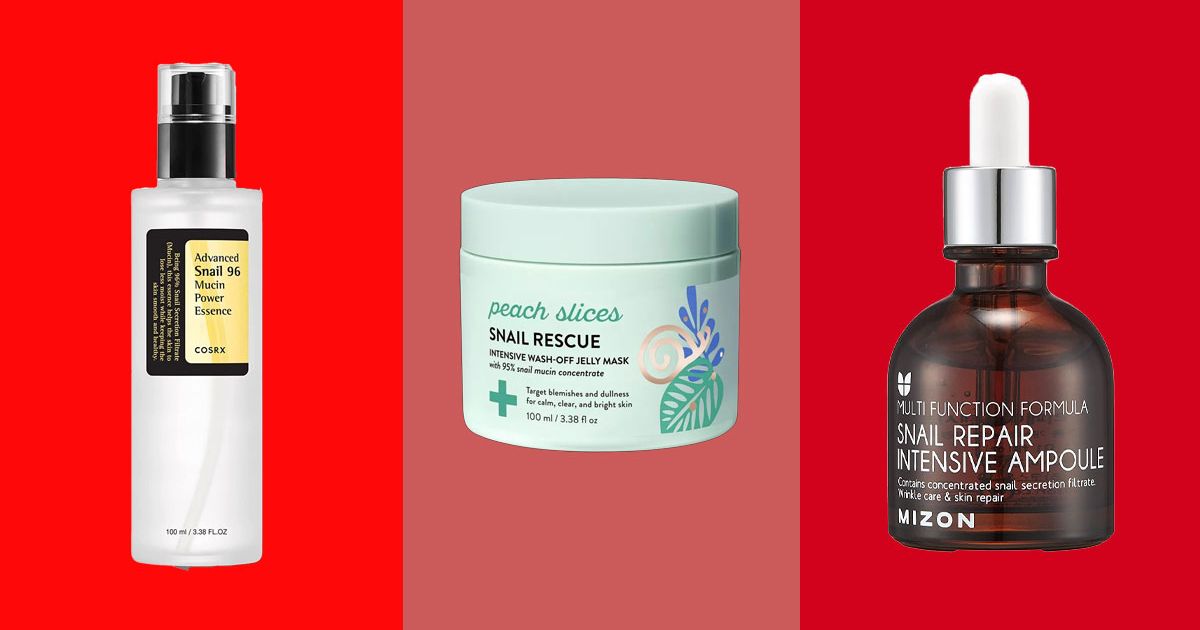
13 Best Snail-Mucin Skin-care Products | The Strategist
Challenges in the Spotlight
Not all glowy: Intense rivalry means slim profits, and tariffs like Trump’s 15% hike threaten US prices. Fakes flood markets, eroding trust, while social media sparks overconsumption worries—experts warn of beauty anxiety among youth. Yet, brands adapt, absorbing costs and pushing transparency.
Navigating the Downsides
Humor aside, the pressure for perfection can feel overwhelming, like chasing an Instagram filter in real life. But focusing on self-care over trends helps, and regulations are tightening to curb false ads.
The Future of K-Beauty
Looking to 2026, expect PDRN (salmon-derived regenerators) and sustainable twists, like vegan formulas and eco-packaging. With exports projected to hit $12 billion, K-beauty’s evolving toward inclusivity, catering to diverse skin types worldwide. It’s not just skincare—it’s a cultural bridge, promising even more surprises.
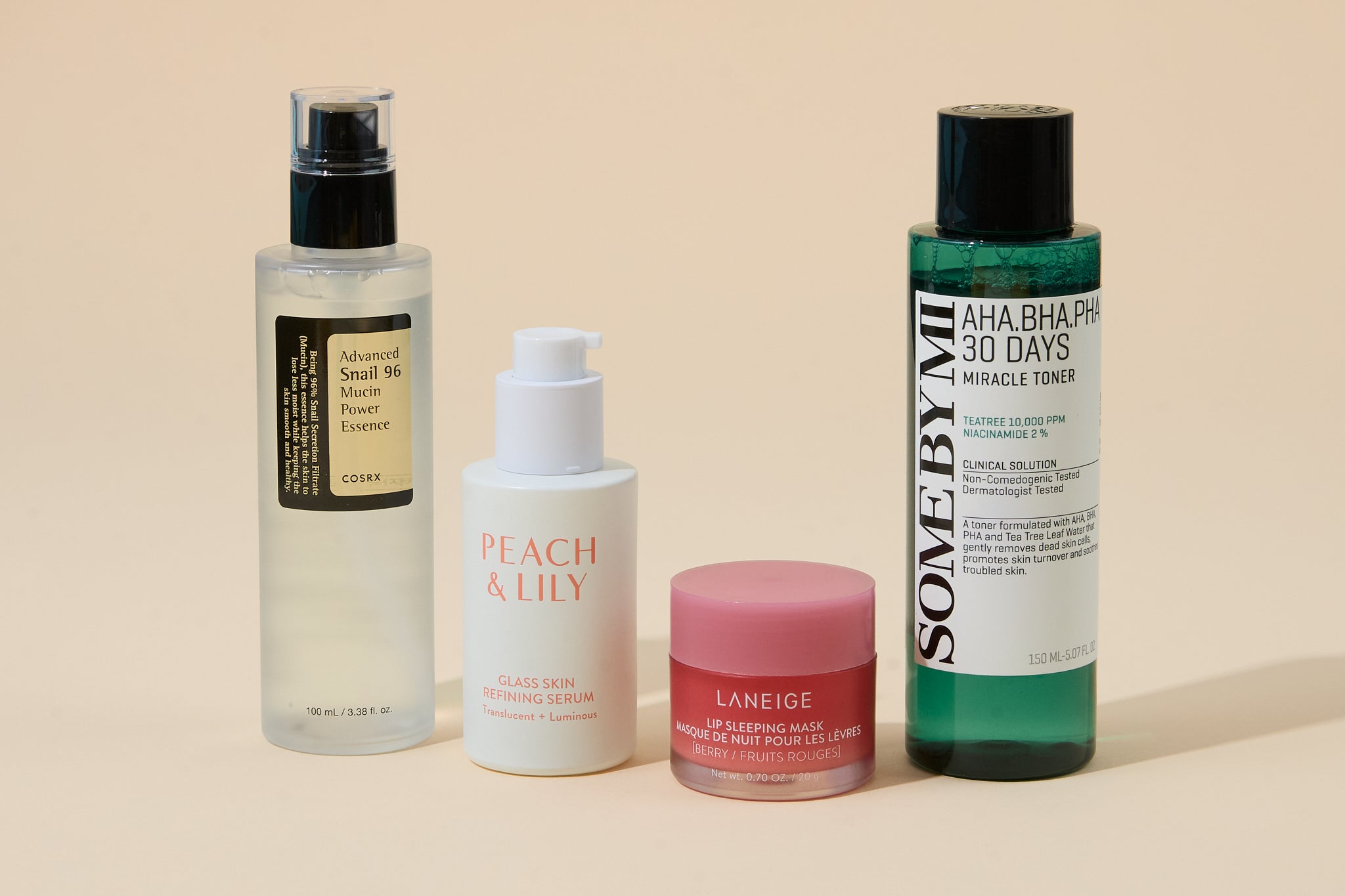
16 Best Korean Skin Care Products of 2026 | Reviews by Wirecutter
People Also Ask
What is K-Beauty?
K-beauty refers to South Korean skincare and cosmetics, known for multi-step routines, natural ingredients, and innovative tech focusing on hydration and prevention. It’s all about achieving healthy, glowing skin rather than masking flaws.
Why is K-Beauty So Popular?
Its popularity stems from effective, affordable products boosted by social media and Hallyu stars, offering fun trends like snail mucin that deliver visible results quickly.
What Are the Steps in a Typical K-Beauty Routine?
A classic 10-step includes cleansing, toning, essence, serum, eye cream, moisturizer, and sunscreen—customizable for your needs, emphasizing layers for max absorption.
How Does K-Beauty Differ from Western Skincare?
K-beauty prioritizes gentle, preventive care with natural actives, while Western often focuses on quick fixes and heavier makeup; it’s more about long-term skin health.
Is K-Beauty Suitable for All Skin Types?
Absolutely—brands offer options for oily, dry, sensitive, or acne-prone skin, with hypoallergenic formulas making it inclusive for global users.
FAQ
How Did K-Beauty Become an Economic Powerhouse?
It leveraged viral trends and government support to boost exports from $1 billion in 2012 to over $10 billion by 2024, creating a surplus and jobs.
What Are the Best K-Beauty Products for Beginners in 2026?
Start with CosRX Snail Mucin Serum for repair, Beauty of Joseon Sunscreen for protection, and Laneige Lip Sleeping Mask for hydration—affordable and effective.
Where Can I Buy Authentic K-Beauty Products?
Reliable spots include Soko Glam, StyleKorean, and official brand sites to avoid counterfeits.
What Makes K-Beauty Innovative?
Rapid R&D, unique ingredients like PDRN, and trend responsiveness—products evolve every few months to match consumer buzz.
Are There Any Downsides to K-Beauty?
Overly complex routines can overwhelm, and ingredient sensitivities exist, but starting simple minimizes issues.
In wrapping up, K-beauty’s rise reminds me of my own skincare evolution—from skeptical tester to devoted fan. It’s more than products; it’s a mindset of self-love wrapped in clever science. Whether you’re dipping in with a sheet mask or going full routine, it’s empowering to see how a small trend sparked a global empire. For more insights, check BBC’s deep dive or explore Statista stats. What’s your K-beauty story?