
Picture this: It’s 2018, and my buddy Jake, fresh out of university, snags what he calls his “urban nest” in downtown Toronto. At just 320 square feet, it’s got a Murphy bed that flips down from the wall, a kitchenette squeezed into a corner, and a view of the CN Tower if you crane your neck just right. He brags about the low price tag and how it’s perfect for his grind at a tech startup—close to the office, no commute woes. Fast forward to 2025, and Jake’s bailing out, swapping it for a roomier spot in the suburbs. “Man, it felt like a cage after a while,” he tells me over coffee. Stories like his are popping up everywhere, signaling a big shift in Canada’s housing scene. Micro-condos, once hailed as the savvy solution to skyrocketing urban prices, are now gathering dust on the market. But why the sudden cold shoulder? Let’s dive in, unpacking the trends, the data, and the human side of it all.
Understanding Micro-Condos in Canada
These pint-sized pads burst onto the scene as a clever fix for city living on a budget, but their shine is fading fast amid changing needs and market shakes.
What Exactly Are Micro-Condos?
Micro-condos are compact apartments, usually under 600 square feet, designed to maximize every inch with multifunctional furniture and built-in storage. Think of them as efficiency experts in housing form— a bed that doubles as a sofa, a table that folds away, all in one open space. They’re common in high-rises in places like Toronto and Vancouver, where land is gold.
The Rise of Micro-Condos in Urban Centers
Back in the mid-2010s, developers cranked these out to meet booming demand from young professionals and investors. In Toronto alone, the share of condos under 600 square feet jumped from 7.7% in 2016 to a whopping 38% by the early 2020s. It was all about affordability in pricey markets, luring folks who wanted a foot in the door without breaking the bank.
The ‘Worker Bees’ Metaphor: A Sting in the Tale
That catchy phrase? It comes from folks feeling like these tiny units are just overnight hives for busy workers, not real homes. One resident nailed it: “It definitely feels like it’s just somewhere to put worker bees during the night.” Ouch—talk about a buzzkill for what was supposed to be modern living.
Current Market Trends: A Dive into the Data
The numbers don’t lie—Canada’s condo market is in a slump not seen since the ’80s, with micro-units hit hardest. Oversupply, price drops, and empty units are painting a grim picture, especially in big cities.
Here’s a snapshot of key stats from 2025:
| City | Micro-Condo Inventory (Months of Supply) | Average Price Drop (YoY) | Unsold Units |
|---|---|---|---|
| Toronto | 13 months | -20% | Over 40,000 |
| Vancouver | 8-10 months | -15% | 12,354 (Q3 2025) |
| Calgary | 6 months | -10% | Rising steadily |
| National Average | 9 months | -18% | 60,000+ new completions |
These figures highlight how micro-condos are lingering longer on the market, with sales down 75% in Toronto since 2022. Vacancy rates for rentals climbed to 3.1% nationally, a relief for renters but a headache for owners.
Why the Appeal Is Fading: Unpacking the Shift
It’s not just one thing— a mix of life changes, money woes, and plain old dissatisfaction is turning buyers away from these shoebox homes.
Post-Pandemic Lifestyle Changes
Remember when lockdowns turned homes into offices, gyms, and schools all in one? Folks realized 300 square feet doesn’t cut it for Zoom calls and sanity. Remote work stuck around, pushing people toward spaces where they can actually breathe.
Economic Pressures and High Interest Rates
Interest rates spiked to fight inflation, making mortgages a tougher pill to swallow. Add in a 2022 foreign buyer ban that spooked investors, and suddenly these units aren’t the hot investment they once were. Prices for micro-condos have tanked, some reselling for under C$300,000—half what they fetched pre-2020.
Oversupply from Overbuilding
Developers went wild building for a population boom fueled by immigration, but caps in 2025 led to Canada’s biggest population dip since the ’40s (outside COVID). Now, over 60,000 new units sit empty, creating a glut that’s driving values down faster for small pads.
Social and Psychological Factors
Isolation creeps in when your “home” feels like a hotel room. No space for guests or hobbies? That’s a recipe for buyer’s remorse. Plus, families were never the target— these are solo pads, but life’s throwing curveballs like relationships and kids.
- Mental Health Toll: Cramped quarters amp up stress, as one study linked small spaces to higher anxiety levels.
- Community Disconnect: Building amenities sound great, but shared gyms don’t replace personal space.
- Resale Challenges: Buyers now scrutinize square footage, making flips harder.
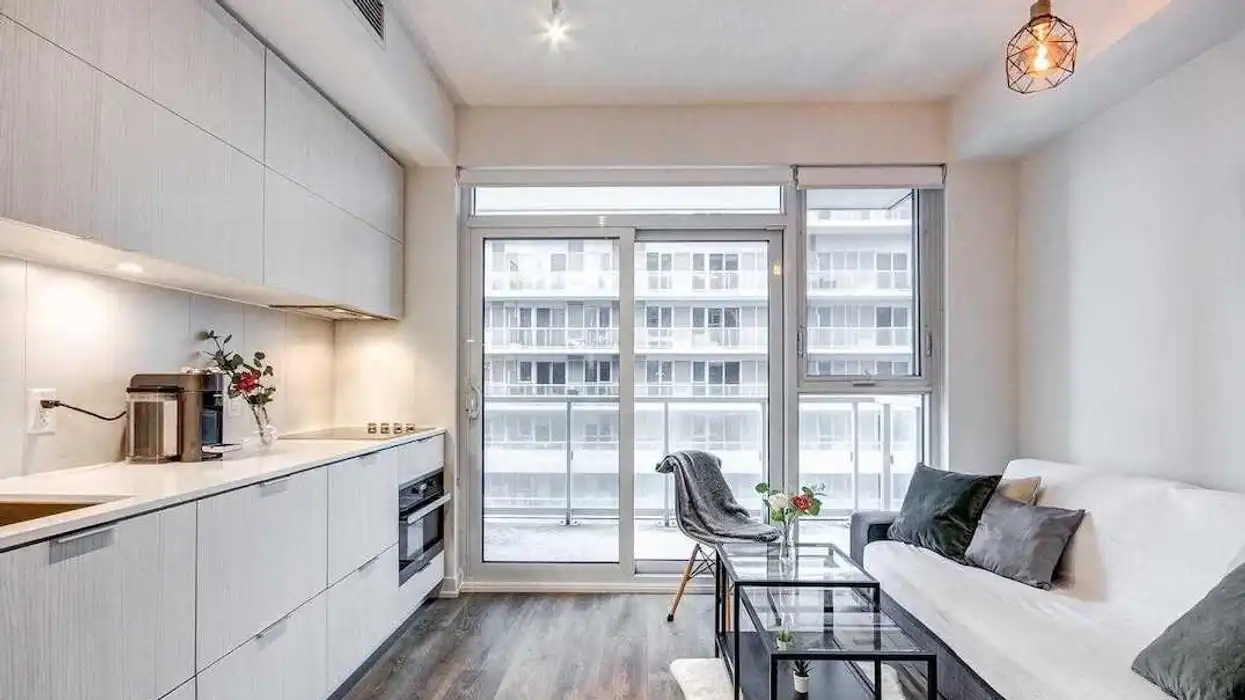
Who Are Micro Condos Really For? Because It’s Not First-Time Buyers
Real Stories: From Hive to Home Sweet Home
Take Maggie Hildebrand, a 28-year-old Torontonian who ditched her 300-square-foot micro-condo after feeling trapped. “It was so isolating,” she shared on TikTok, upgrading to a 700-square-foot spot for just C$200 more a month. Now she hosts parties for 25 people—talk about a glow-up.
My own anecdote? I visited a friend’s micro-unit in Vancouver last year. We ended up eating takeout on the floor because there was no table space. Funny at first, but after a weekend, I was craving elbow room. It’s stories like these that humanize the stats—people aren’t just numbers; they’re seeking comfort.
Another tale: Alex, a real estate agent in Toronto, tells me clients are bargaining hard on these units. One couple walked away from a deal because “it felt like a dorm room, not a forever home.” Humor aside, it’s a wake-up call for developers.
Expert Views: Will Micro-Condos Buzz Back?
Shaun Hildebrand from Urbanation warns the market “got way too ahead of itself,” but sees a pivot to long-term buyers. Garry Marr argues they’ll survive for affordability’s sake, even if investors bail—think students or singles who prioritize location over luxury.
Looking ahead, with Prime Minister Mark Carney pledging to double home builds by 2035, micro-condos might evolve into smarter designs. But short-term? Expect more cancellations—18 projects axed in Toronto already.
Pros and Cons: Weighing the Tiny Life
Pros:
- Affordable entry point in hot markets like Toronto.
- Low maintenance and utilities—perfect for minimalists.
- Prime locations near transit and jobs.
- Amenities like pools and gyms offset small size.
Cons:
- Limited space leads to clutter and stress.
- Poor resale value in oversupplied areas.
- Not family-friendly; hard to grow into.
- High condo fees eat into savings.
Micro-Condos vs. Larger Alternatives: A Comparison
Wondering if bigger is better? Let’s break it down.
| Feature | Micro-Condos (<600 sq ft) | Mid-Size Condos (600-900 sq ft) | Family Homes (>900 sq ft) |
|---|---|---|---|
| Average Price (Toronto, 2025) | C$300,000 – C$500,000 | C$600,000 – C$800,000 | C$900,000+ |
| Inventory Months | 13 | 6 | 3.5 |
| Target Buyer | Investors/Singles | Young Couples | Families |
| Appeal Factor | Location/Affordability | Balance of Space/Price | Room to Grow |
Larger condos offer more balance, attracting end-users over flippers. For transactional vibes, check out sites like RE/MAX Canada for listings or CMHC tools for affordability calculators.
If you’re eyeing alternatives, consider co-living spaces or suburban townhomes—more bang for your buck without the squeeze.
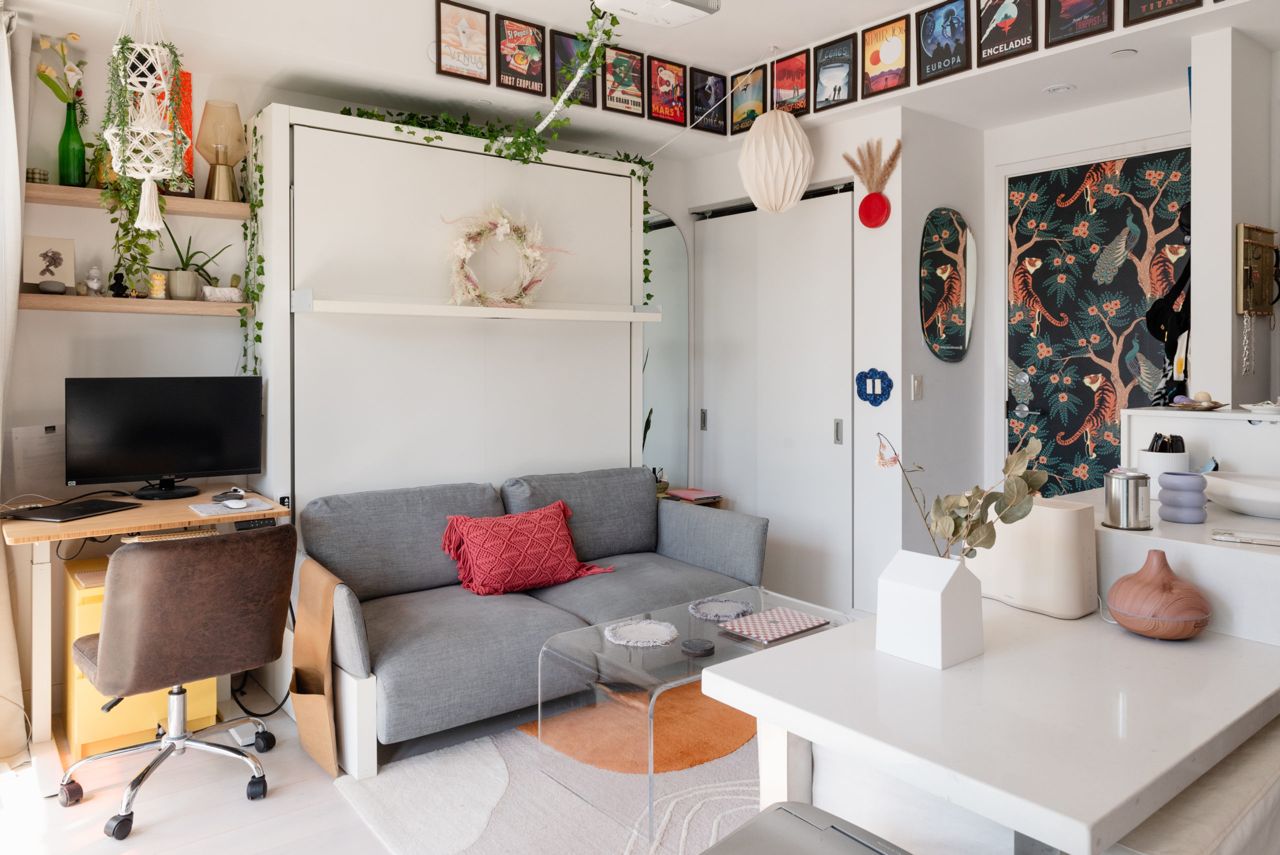
I live in a 300-square-foot condo downtown. Here’s how I’ve …
People Also Ask: Addressing Common Queries
Based on real Google searches, here’s what folks are curious about.
What are micro-condos in Canada?
These are super-small apartments under 600 sq ft, popular in cities for budget buyers. They’re like efficiency studios on steroids, with clever designs to fit urban lifestyles.
Why are micro-condos losing appeal?
Blame the pandemic hangover—people crave space for work and play, plus economic hits like high rates and oversupply. It’s a shift from investment hype to real-life needs.
Where can I find micro-condos for sale in Toronto?
Sites like Zolo.ca or Realtor.ca list them, but expect deals amid the slump. Focus on downtown spots for the best (or worst) examples.
What are the best alternatives to micro-condos?
Look into mid-size condos or rentals in emerging neighborhoods—more space without the premium price. Tools like Rentals.ca can help scout options.
FAQ: Your Burning Questions Answered
Is buying a micro-condo still a good investment in 2026?
Not right now—with prices dropping 20% in Toronto, it’s risky for flips. But for long-term holds in growing areas, it could rebound.
How has immigration policy affected micro-condos?
Caps led to population dips, slashing demand and leaving units empty. It’s a policy pivot that’s rippling through the market.
Can micro-condos be renovated for more space?
Merging units is tough due to plumbing and costs, per experts. Better to opt for larger from the start.
What’s the average rent for a micro-condo in Vancouver?
Around C$2,000-2,500 monthly, but falling with higher vacancies. Bargains are out there if you hunt.
Will micro-condos disappear from Canada?
Unlikely—they fill a niche for affordability, but expect fewer builds ahead.
In wrapping up, Canada’s micro-condo saga is a cautionary tale of boom meeting bust. What started as a clever hack for urban woes has morphed into a symbol of mismatched expectations. Yet, there’s hope—lessons learned could spark better housing designs. If you’re mulling a move, chat with locals or pros; after all, home should feel like a sanctuary, not a beehive. What’s your take—tiny living fan or space seeker? Drop a thought below.