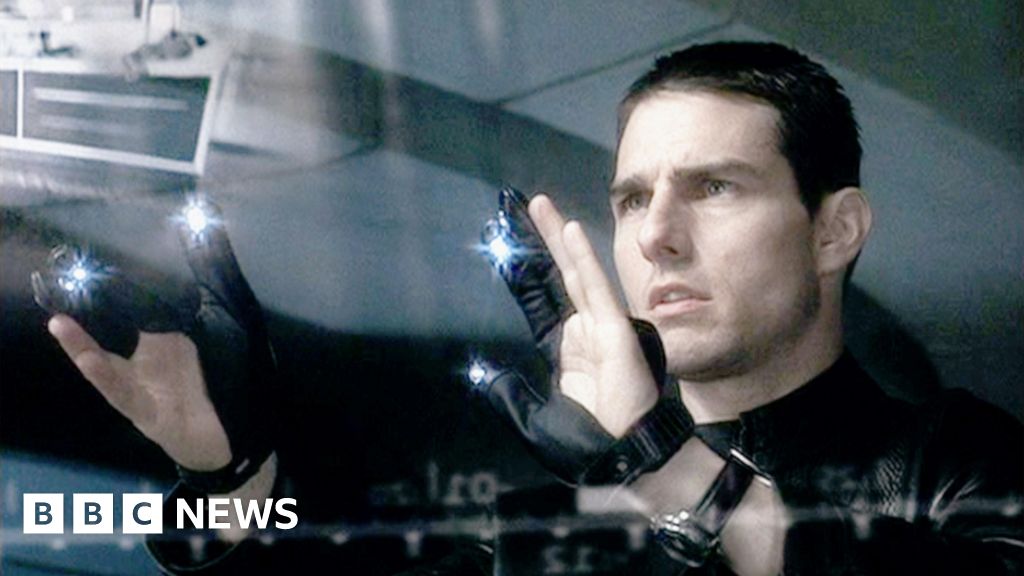
Imagine sitting in a classroom as a kid, staring at the chalkboard while the teacher drones on about history dates that felt as distant as the stars. I remember doodling in my notebook, wishing for a way to make learning feel alive, personal—like the teacher could read my mind and adjust on the fly. Fast forward to today, and we’re on the cusp of that dream becoming reality with AI teachers and cybernetic enhancements. By 2050, education might not just be about memorizing facts; it could be a seamless blend of human curiosity and machine precision, reshaping how we think, work, and connect. As someone who’s spent years tinkering with tech in my garage workshop—building simple robots that taught my kids basic coding—I’ve seen glimpses of this future, and it’s both thrilling and a bit unnerving.
Understanding AI Teachers
AI teachers aren’t just fancy chatbots; they’re evolving into sophisticated companions that adapt to each student’s pace, style, and even mood. Picture a virtual mentor that knows when you’re zoning out and switches to a game-based lesson to reel you back in. By 2050, these systems could handle everything from basic arithmetic to complex philosophy debates, freeing human educators to focus on emotional guidance and creativity.
Current Trends in AI Education
Right now, AI is already personalizing learning through tools like adaptive platforms that adjust difficulty in real-time. Think of apps that analyze your mistakes and offer tailored explanations, much like a patient tutor who never gets tired. This shift is making education more inclusive, helping students in remote areas access top-tier resources without leaving home.
- Personalized Learning Paths: AI algorithms track progress and suggest custom content, boosting retention by up to 30% in some studies.
- Intelligent Tutoring Systems: These mimic one-on-one sessions, providing instant feedback on essays or math problems.
- Automated Grading: Tools like those from major tech firms save teachers hours, allowing more time for mentorship.
- Predictive Analytics: Schools use AI to spot at-risk students early, intervening before issues escalate.
Challenges in Today’s AI Integration
While exciting, integrating AI isn’t without hiccups—privacy concerns and the digital divide mean not everyone benefits equally. I once helped a local school set up an AI system, only to find half the kids lacked reliable internet; it was a stark reminder that tech alone isn’t a silver bullet. Balancing innovation with equity will be key as we head toward 2050.
The Rise of Cybernetics in Human Enhancement
Cybernetics, at its core, explores how humans and machines can communicate and control each other, paving the way for enhancements that boost our natural abilities. In education, this could mean neural implants that download knowledge directly or exoskeletons aiding physical learning tasks. By mid-century, we might see a world where learning isn’t limited by biology, but amplified by it.
Defining Cybernetics and Its Roots
Coined by Norbert Wiener in the 1940s, cybernetics studies feedback loops in systems, from thermostats to brains. It’s the science behind self-regulating machines, now blending with AI to create hybrid human experiences. Today, it’s influencing prosthetics and brain-computer interfaces, hinting at a future where we upgrade our minds like software.
Cybernetic Applications in Learning
Imagine a chip in your brain that translates foreign languages instantly or enhances memory recall during exams. Early prototypes, like Neuralink, are testing these ideas, potentially revolutionizing how we absorb information. But as I pondered this while wiring a simple neural network model at home, I wondered: does faster learning mean deeper understanding, or just surface-level smarts?

From Fiction to Reality, The Latest Advancements in Human …
Ethical Considerations in Cybernetic Enhancements
Merging flesh and tech raises questions about inequality—who gets the upgrades? In my experience volunteering with tech nonprofits, access often favors the wealthy, potentially widening societal gaps. We need policies ensuring these tools empower everyone, not just a elite few.
A Glimpse into Education in 2050
By 2050, classrooms might be virtual realms where AI teachers orchestrate lessons via augmented reality, and cybernetic implants make learning intuitive. Experts predict a shift from rote memorization to creative problem-solving, with humans and machines in symbiosis. This could democratize education, but only if we address the pitfalls head-on.
Personalized Learning at Scale
Every student could have an AI companion that evolves with them, predicting needs and adapting curricula. Drawing from my days teaching my nephews coding through interactive apps, I see how this personalization could ignite passions early. Yet, over-reliance might dull natural curiosity—balance will be crucial.
Cybernetic Humans: Stronger, Smarter Learners
With enhancements like brain interfaces, learning could become effortless, perhaps even subconscious during sleep. Science fiction? Not quite; current research shows promise in memory augmentation. But let’s add a dash of humor: if we all become cyborg geniuses, who’ll appreciate the joy of a hard-earned “aha” moment over coffee?

The real cyborgs – in-depth feature about people merging with machines
Societal Impacts Beyond the Classroom
This tech duo could transform workplaces, with lifelong learning embedded in daily life. Economies might boom from a hyper-skilled workforce, but job displacement looms. Reflecting on my career pivot from engineering to writing about tech, adaptability will be the real superpower in this era.
| Aspect | Traditional Education | AI-Cybernetic Education in 2050 |
|---|---|---|
| Learning Pace | One-size-fits-all | Fully personalized, adaptive |
| Teacher Role | Primary instructor | Facilitator and emotional guide |
| Accessibility | Limited by location and resources | Global, inclusive via implants and VR |
| Cost | High for quality access | Potentially lower with scalable AI |
| Ethical Risks | Minimal tech-related | Privacy, inequality, over-dependence |
Pros and Cons of AI Teachers and Cybernetics
Diving deeper, let’s weigh the upsides and downsides. I’ve chatted with educators at conferences, and the excitement is palpable, but so are the worries.
Pros:
- Enhanced personalization makes learning engaging and effective.
- Cybernetics could bridge disabilities, offering equal opportunities.
- Efficiency frees time for creativity and real-world application.
- Global access reduces educational disparities.
Cons:
- Potential loss of human connection in teaching.
- High costs for cybernetic tech might exacerbate inequalities.
- Privacy breaches from data-heavy AI systems.
- Ethical dilemmas around human augmentation.
Comparing AI Teachers to Human Educators
AI shines in consistency and scalability, handling repetitive tasks without fatigue. Humans excel in empathy, inspiring through stories—like the time my high school teacher shared his war experiences to make history real. In 2050, the best setup might be a hybrid: AI for facts, humans for heart.
AI Teachers:
- Strengths: 24/7 availability, infinite patience, data-driven insights.
- Weaknesses: Lacks nuance in emotional support, potential biases in algorithms.
Human Educators:
- Strengths: Builds relationships, adapts intuitively to group dynamics.
- Weaknesses: Limited by time, energy, and personal knowledge gaps.
By blending them, we could create an unbeatable team.

2050’s Education Time Travel: When AI Meets Bollywood Dreams in …
Market Growth and Economic Projections
The AI in education market is exploding, projected to grow exponentially. Based on current trends, here’s a visualization of potential market size.
Grok can make mistakes. Always check original sources.
This extrapolation suggests massive investment, driving innovations in cybernetics too.
People Also Ask
Drawing from common queries online, here’s a dive into what folks are curious about regarding this future.
How Will AI Change Schools by 2050?
Schools might ditch rigid schedules for fluid, interest-driven modules led by AI. Classrooms could become collaborative hubs with cybernetic aids enhancing group work. The focus shifts to skills like critical thinking, as AI handles basics.
What Role Will Cybernetics Play in Daily Learning?
Cybernetics could integrate learning into life, with implants providing real-time info overlays in AR glasses. Imagine walking through a museum and getting instant historical context fed to your brain—education everywhere, all the time.
Is AI in Education Ethical?
It’s a mixed bag; while it promotes equity, risks like data misuse loom. We must prioritize transparent AI to build trust, much like how I vet apps before letting my family use them.
Where Can I Prepare for This Future Today?
Start with platforms like Khan Academy for AI-assisted learning or explore Neuralink updates for cybernetics insights. Universities offer courses on AI ethics—dive in to stay ahead.

Classrooms of Tomorrow: A 2050 Vision of Tech-Transformed Education
Best Tools for Embracing AI Learning Now
For those ready to transact, check out Duolingo for language AI or Coursera for adaptive courses. Investing in VR headsets like Oculus prepares for immersive 2050 education. These tools bridge today to tomorrow seamlessly.
Navigating the Future: Where to Get Started
If you’re eager to explore, head to resources like UNESCO’s AI in Education hub for guidelines. Locally, community colleges often run free AI workshops—I’ve attended a few, and they’re eye-openers.
FAQ
What is the main benefit of AI teachers by 2050?
They offer hyper-personalized education, adapting to individual needs and potentially closing achievement gaps worldwide.
How might cybernetics affect job markets?
Enhancements could create super-skilled workers, but might displace routine jobs; reskilling programs will be essential.
Are there risks to human-cybernetic merging?
Yes, including addiction to tech, loss of privacy, and ethical issues around consent for enhancements.
Can AI replace human teachers entirely?
Unlikely; AI handles data, but humans provide the irreplaceable spark of inspiration and emotional intelligence.
How to ensure equitable access in 2050?
Through global policies subsidizing tech, similar to today’s internet initiatives, ensuring no one gets left behind.
In wrapping up, envisioning 2050 stirs a mix of awe and caution in me. From my makeshift home lab experiments to pondering late-night what-ifs, I believe this fusion of AI teachers and cybernetics holds immense promise—if we steer it wisely. It’s not just about smarter machines; it’s about wiser humans. Let’s embrace the change, but keep our humanity at the helm.